Electrical & LiFePO₄
Switching to 400 Ah LiFePO₄
After years of use, the old gel batteries could no longer keep up with everyday consumption — the fridge, the water pump, the air conditioning and evening lighting could drain the bank faster than the solar panels could recharge it during the day. In winter in the mountains especially, the battery had lost capacity after 10 years. Its usable capacity was already just a fraction of the rated values.
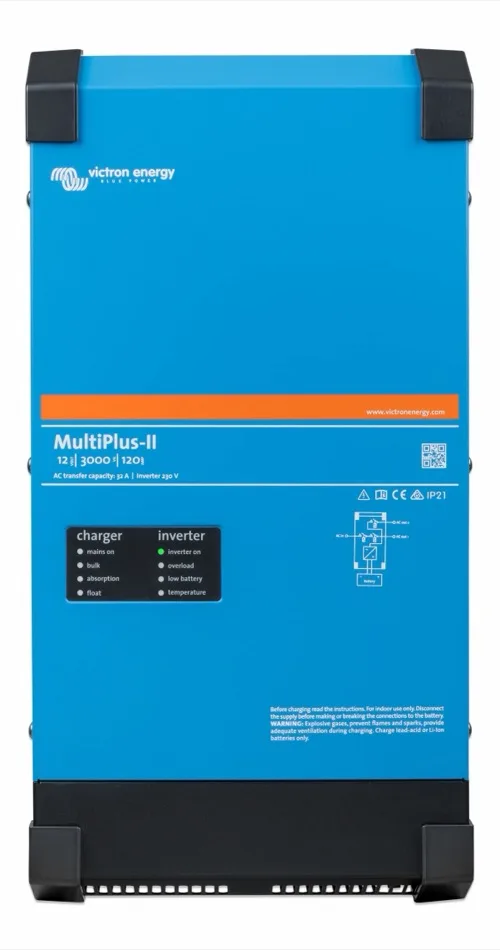
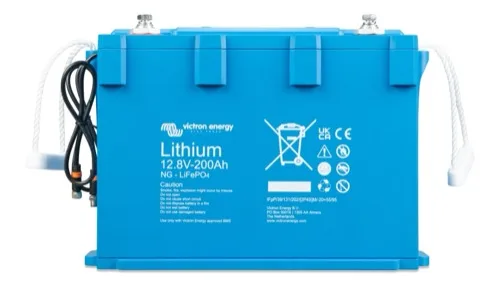
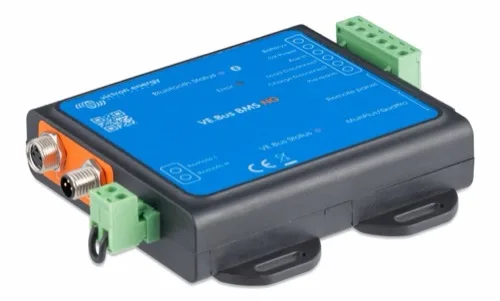
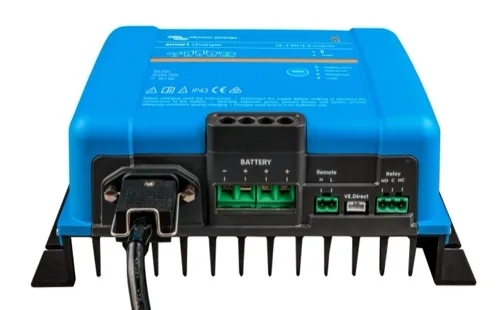
I decided to make a complete switch to LiFePO₄ batteries — two Victron 12.8 V/200 Ah NG (New Generation) batteries, 400 Ah in total, from which — unlike with gel — you can use practically the entire capacity without risking damage. The NG generation adds an integrated shunt, IP65 protection, and a guaranteed 5,000-cycle lifespan compared to standard LiFePO₄. I added a Victron MultiPlus-II 12V/3000VA, which in a single unit handles both charging from the grid and acts as an inverter for 230V appliances.
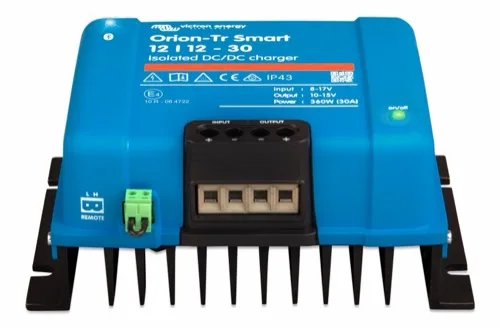
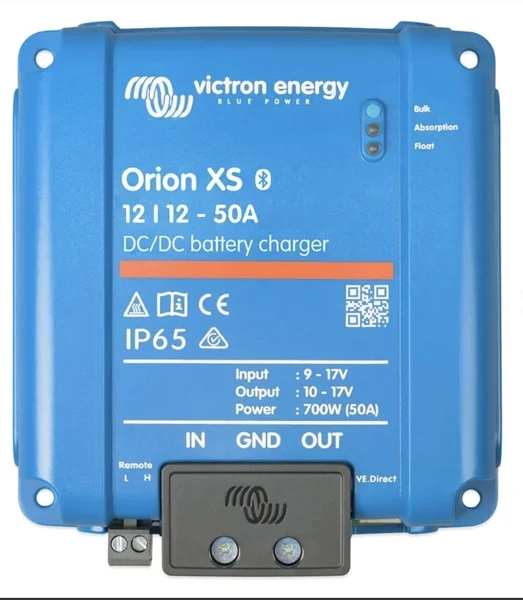
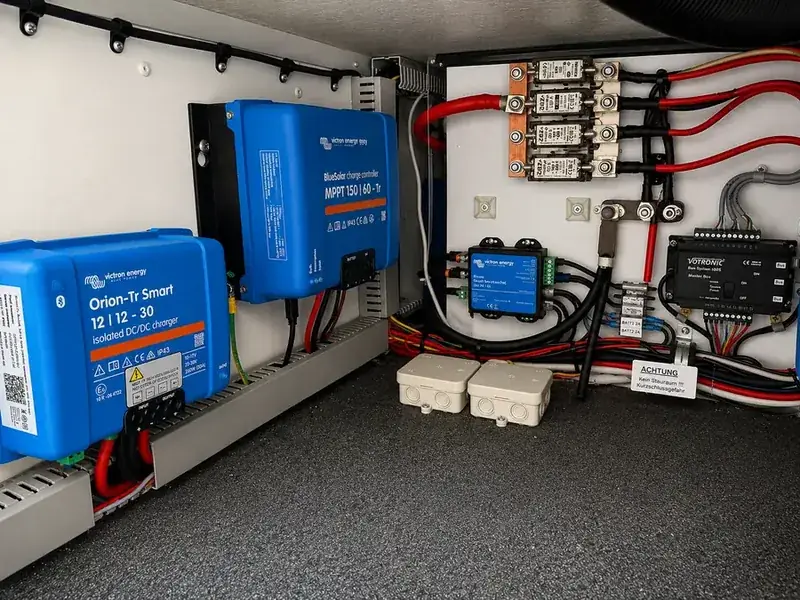
So that the traction batteries also recharge while driving, I added two Orion-Tr Smart DC-DC chargers — an isolated 12/12-30 A unit for the main circuit and a non-isolated 12/12-50 A unit. Without them, the solar alone wouldn't be enough in winter. After a season of use, I no longer worry about whether the battery will last until morning — I only worry about where to head off to next.
However, the DC-DC chargers only had as much current available as the original alternator could supply — and it wasn't sized for a large LiFePO₄ battery. Why I therefore switched to a 210 A Bosch alternator, and how it affected the charging speed while driving, I describe in a separate article on the Bosch 210 A alternator.
780 Wp on the roof — series-parallel wiring
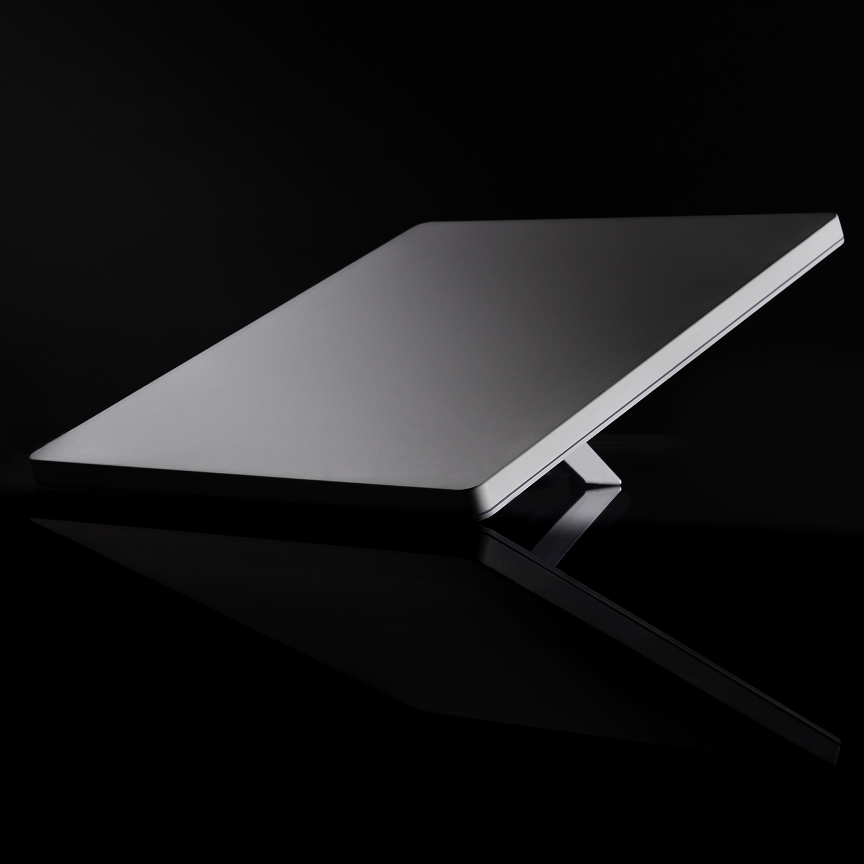
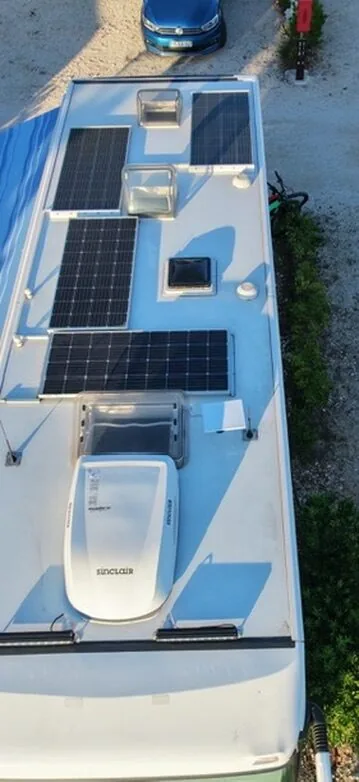
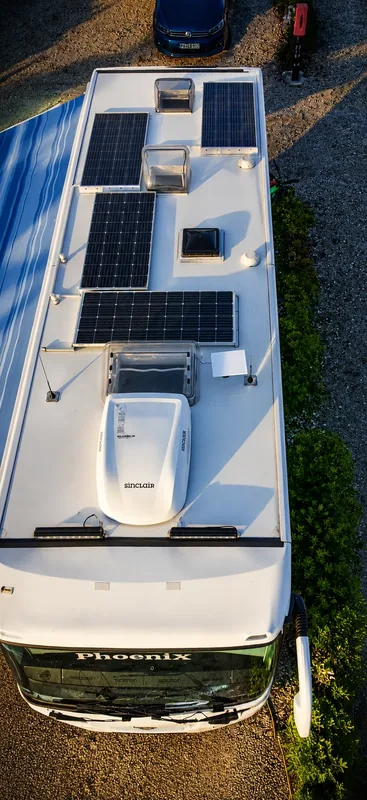
Four panels on the roof have to deliver enough energy even on overcast days and in winter, when the sun is low and part of the surface is often in shade.
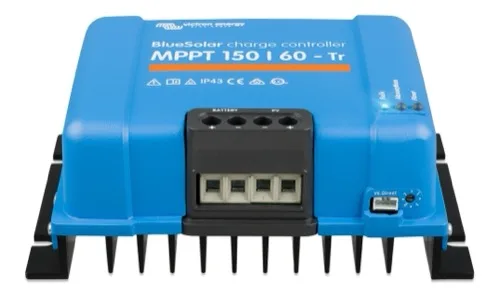
I chose a series-parallel arrangement of two 220 Wp and two 170 Wp panels, 780 Wp in total. Series-parallel wiring reduces current (and thus losses on the longer cable run to the controller) while keeping the voltage within the range that the Victron BlueSolar MPPT can handle efficiently, even with partial shading of one branch.
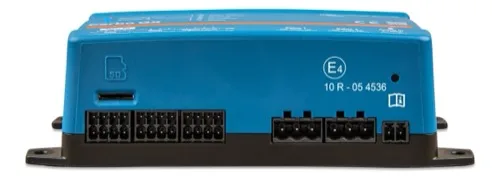
I monitor the output through VictronConnect. I stuck with Victron for the other components too, instead of cheaper competitors — for reliability, and because the whole system (batteries, inverter, solar) talks to each other in a single app. How this installation performed in a hard load test with a load over 4.4 kW, I describe in a separate article on the Croatia stress test.