
Originální světlomety Phoenixu jsem měnil postupně ve dvou etapách. V první šla ven tlumená světla — čtyři 90mm halogenové moduly HELLA v přední masce. Vyměnil jsem je za HELLA Bi-LED Essential (1AL 015 318-111). a výsledek byl okamžitý: ostrá světelná hranice, výrazně vyšší svítivost, příjemnější barva světla. Vůbec žádný problém.
Říkal jsem si, že druhá etapa proběhne stejně hladce. Nešlo to tak.
Dálková světla — tentokrát Performance
Na dálková světla šla HELLA Bi-LED Performance L45-65 (1AL 015 318-031). — moduly s výrazně vyšším výkonem a dosvitem než Essential. Zároveň jsem nad čelní masku přidal LED rampu HELLA 50 cm. s pozičním světlem ovládanou samostatným spínačem na palubní desce.
Jenže první překvapení přišlo ještě dřív, než jsem zapojil jediný vodič.
Adaptér vytištěný na 3D tiskárně
Přestože mají nové světlomety stejný průměr 90 mm jako původní halogeny, jejich tělo je konstrukčně odlišné — originální držáky Phoenixu prostě nešly použít. Nechtěl jsem vrtat nové díry ani nevratně upravovat karoserii, takže jsem navrhl a vytiskl vlastní adaptér na 3D tiskárně. Drží v původním uchycení a každý světlomet jde seřídit třemi stavěcími šrouby.
Mechanicky hotovo. Pak přišla elektroinstalace.
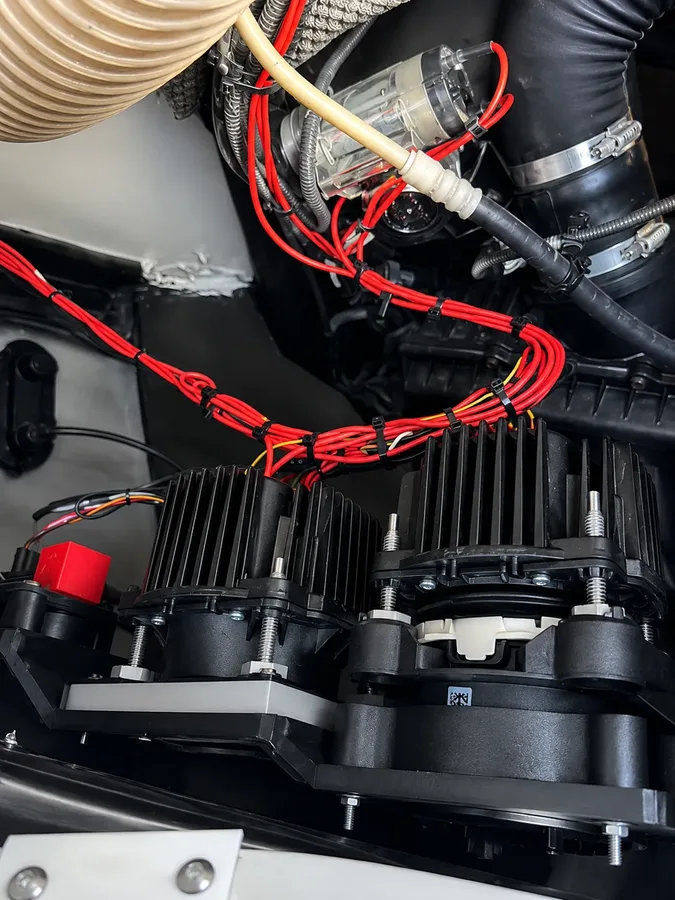
Bosch BCM a diagnostické pulzy
Phoenix stojí na podvozku Iveco Daily 60C18 z roku 2016 a osvětlení řídí Body Control Module od Bosche. BCM nefunguje jako prostý spínač — do každého světelného okruhu pravidelně posílá krátké diagnostické pulzy a vyhodnocuje odezvu. Halogenová žárovka při pulzu reaguje předvídatelně: proud, teplo, odpor. LED modul reaguje úplně jinak. BCM to vyhodnotí jako poruchu a dálková světla zablokuje.
Tlumená světla (Essential) tím problém neměla. Performance na dálkových okruzích nikoli.
Odpory — měsíc zkoušení, nulový výsledek
Klasické řešení pro LED v autě s citlivou elektronikou: výkonové odpory zapojené paralelně k LED modulu, které simulují odběr halogenové žárovky. Zkoušel jsem různé hodnoty, různá zapojení, měřil jsem proudy na jednotlivých větvích.
Nefungovalo to. BCM totiž neměří jen statický proud — posílá pulzy a čeká na konkrétní odezvu v čase. Odpory simulují steady-state odběr, ale chování halogenu při diagnostickém pulzu napodobit nedokážou. Výsledek byl pokaždé stejný: světla se nezapnou.
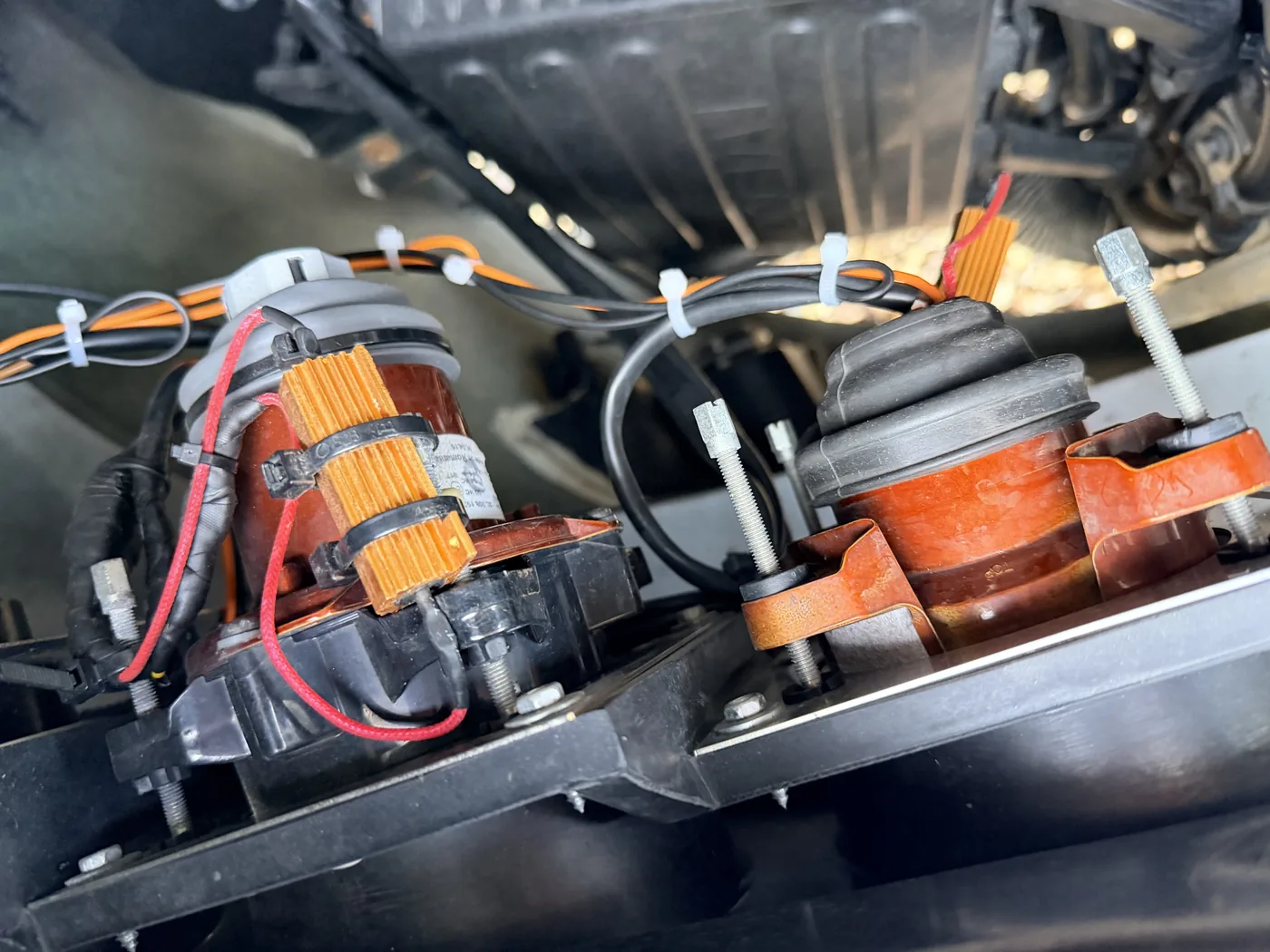
Iveco, autorizovaný servis, firmware
Zavolal jsem Iveco. Jejich odpověď: přijďte k autorizovanému prodejci, oni s diagnostikou pomůžou. Přijel jsem. Výsledek: technicky možné je to s reprogramováním BCM, ale servis to udělat odmítl — příliš velké riziko, že se poruší jiné funkce vozu. Navrhli firmware update. Ten jsem zamítl já — Iveco Daily 2016, funkční auto, žádná aktualizace softwaru bez jasných release notes, co přesně mění.
Slepá ulička číslo tři. Takže jinak.
Napájení přímo od baterie
Přestal jsem řešit, jak přimět BCM napájet LED moduly, a změnil celý přístup. BCM světla nenapájí — pouze ovládá relé. Výkon půjde novými kabely přímo od akumulátoru přes vlastní jištění. BCM bude jen spínat relé jako dřív, nic víc.
Při práci na kabeláži jsem narazil na bonus, který jsem nečekal.
12,5 V místo 14,2 V
Při pokládce nové trasy jsem změřil napětí na konektoru napájení původních světlometů: 12,5 V. Za chodu alternátoru by tam mělo být 14,2 V. Konektory v kabeláži předních světel byly silně oxidované — přechod kontaktu dělal úbytek přes 1,7 V.
Po vyčištění a obnově spojů: 14,2 V. Halogeny svítily celá léta na výrazně nižším napětí než měly. Nečekal jsem, že mi přestavba na LED odhalí i tenhle skrytý problém.
Cvakající relé a MOSFET
Nová trasa, nové jištění, relé zapojeno — světla se poprvé rozsvítila. Jenže relé začalo cvakat. Výstup BCM pro dálková světla má tak malý proud, že relé sice sepne, ale nedokáže ho spolehlivě udržet. Pohybuje se na hranici a cvakání je výsledek.
Řešení: mezi výstup BCM a cívku relé jsem vložil MOSFET spínací stupeň. MOSFET je řízen napětím, ne proudem — BCM ho ovládá prakticky bez zatížení, a MOSFET pak řídí relé se stabilním signálem. Cvakání zmizelo okamžitě.
Výsledek ve dne
Oba BI-LED moduly — Essentiale i Performance — mají výhradně dvě funkce: tlumená světla a dálková světla v jednom světlometu. DRL ani žádná jiná funkce součástí modulu není. Výsledek ve dne je patrný na fotce — Phoenix 8200 díky BI-LED světlometům prostě vypadá jinak.
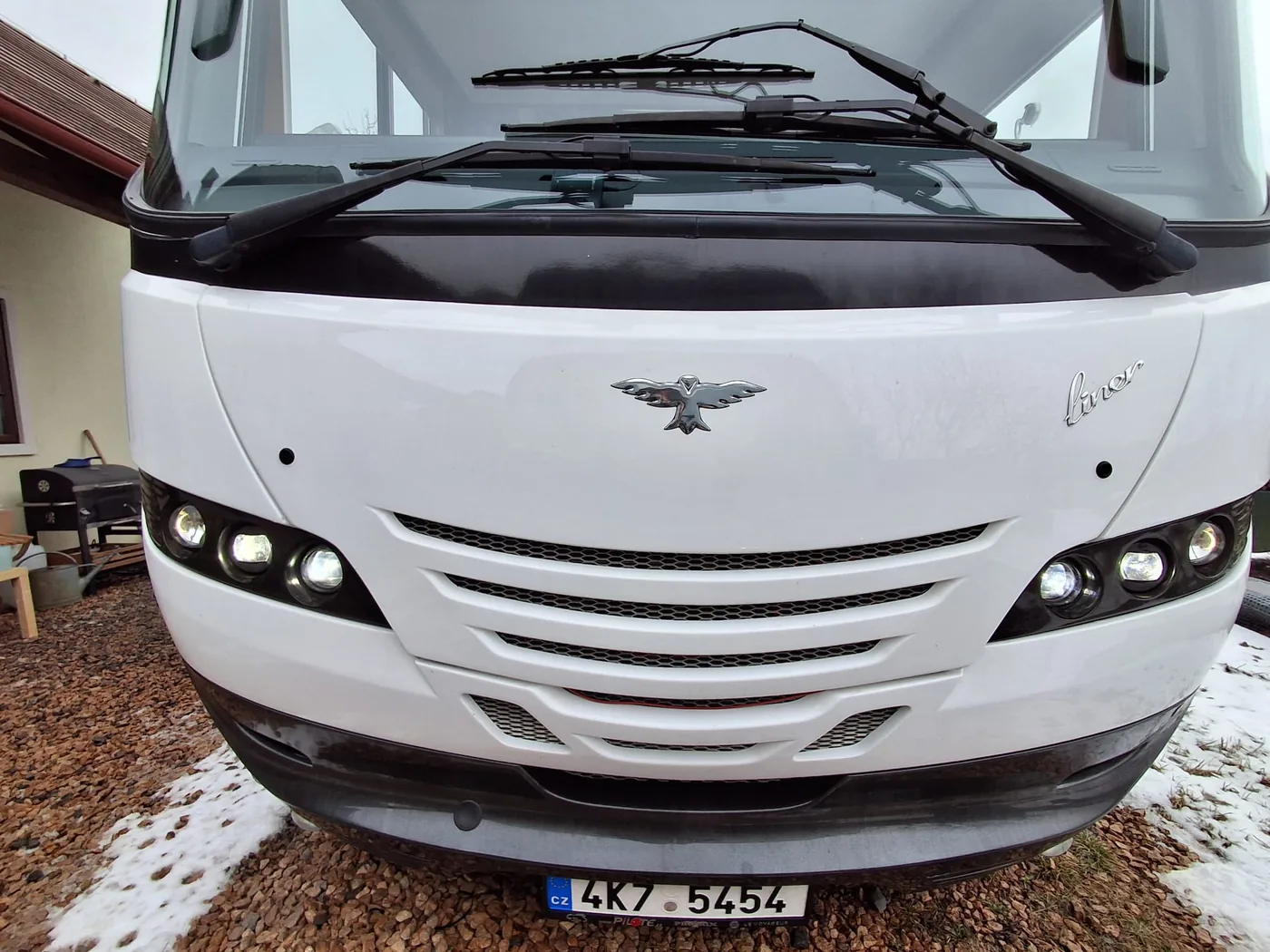
V noci na mokré silnici
Největší rozdíl proti halogenům je v noci za horších podmínek. Dosvit je výrazně delší, světelná hranice ostrá, žádný žlutý nádech. Střešní rampa přidá ještě jeden level viditelnosti — ale na normální silnici ji nezapínám, to je na přímých úsecích mimo provoz.
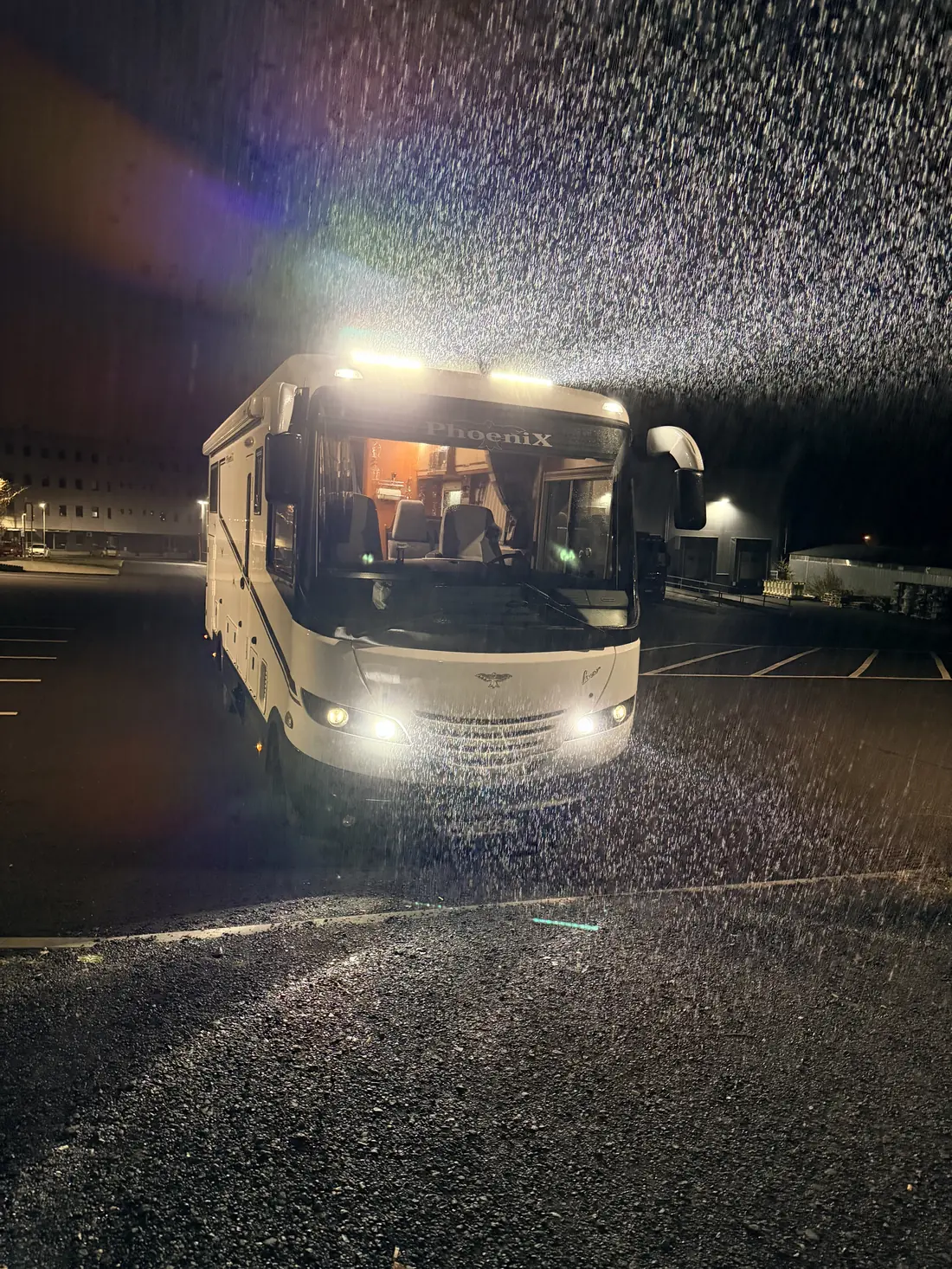
Video z instalace
Celý průběh — od prvních pokusů s odpory přes objev oxidovaných konektorů až po finální řešení s MOSFETem — jsem zdokumentoval na videu:
Stálo to za to?
Jednoznačně. Ale nebyl bych upřímný, kdybych neřekl, že to trvalo podstatně déle, než jsem čekal. Zapojení halogenu trvá půl hodiny — u LED s BCM modulem v Iveco Daily počítejte s tím, že první fungující výsledek přijde po týdnech.
Na konci ale máte auto, které v noci svítí tak, jak má. A ještě víte, že vaše konektory jsou čisté a dávají plné napětí — to jsem si bez tohoto projektu nikdy neověřil.
Použité komponenty
- HELLA Bi-LED Essential — 1AL 015 318-111 (tlumená světla, 1. etapa)
- HELLA Bi-LED Performance L45-65 — 1AL 015 318-031 (dálková světla, 2. etapa)
- LED rampa HELLA 50 cm s pozičním světlem, 4 770 lm (střešní přídavná dálková světla)
- 3D tištěný adaptér s trojicí stavěcích šroubů (vlastní návrh pro montáž do originálních držáků Phoenixu)
- MOSFET spínací stupeň (mezi výstup BCM a cívku relé — řeší cvakání a stabilitu)
- Automobilové relé
- Nové napájecí kabely od akumulátoru s jištěním (obejití původní kabeláže s oxidovanými konektory)
Časté dotazy
Jdou HELLA Bi-LED moduly nainstalovat do Iveco Daily plug & play?
Tlumená světla (HELLA Bi-LED Essential) ano — výměna je přímá a výsledek je okamžitý. Dálková světla (HELLA Bi-LED Performance) plug & play nejsou: Bosch BCM posílá do okruhu diagnostické pulzy a čeká na specifickou odezvu. LED modul odpovídá jinak než halogen, takže BCM světla zablokuje.
Proč odpory nepomohly při instalaci LED světel do Iveco Daily?
BCM neměří jen statický odpor — posílá do okruhu krátké diagnostické pulzy a vyhodnocuje odezvu. Výkonové odpory simulují odběr při trvalém proudu, ale nedokážou napodobit chování halogenu při těchto měřicích pulzech. Proto odpory problém nevyřeší.
Co je MOSFET a proč vyřešil problém s LED světly v Iveco Daily?
MOSFET je elektronický spínač řízený napětím, nikoli proudem. Zapojený mezi výstup BCM a relé zajistí, že BCM vidí téměř nulové zatížení a diagnostika projde. Relé dostane stabilní řídicí signál bez odběru z výstupu BCM — a přestane cvakat.
Co přineslo čištění konektorů při pokládce nové kabeláže?
Při pokládce nových napájecích kabelů od akumulátoru jsem narazil na silně oxidované konektory v kabeláži předních světel. Napětí na konci trasy bylo jen 12,5 V místo 14,2 V. Po vyčištění a obnově spojů napětí stouplo na plných 14,2 V — světla svítí jasněji a spolehlivěji.