
Phoenix má podlahovou klimatizaci Dometic FreshWell 3000 už od přestavby — montovaná v zadní části pod úložným prostorem, rozvod studeného vzduchu hadicemi Ø60 mm. Jenže rozvod vzduchu je navržen primárně pro zadní část vozu, dopředu vede jen jeden průduch — a to prostě nestačí pokrýt přední ložnici na osm metrů vzdálenou. V noci, kdy je potřeba spát vepředu, to byl dlouho ten nejcitelnější kompromis celé přestavby.
Předělávat celý rozvod vzduchu v hotovém interiéru nemělo smysl. Logičtější bylo přidat druhou, samostatnou klimatizaci přímo pro přední část vozu.
Kam s druhou jednotkou
Hledal jsem místo, kam druhou klimatizaci umístit tak, aby chladila přímo nad hlavou ve spánkové části a zároveň nezasahovala do už hotové elektroinstalace a interiéru. Nad přední postelí bylo původně jen malé střešní okénko — bez velkého světelného ani ventilačního přínosu, a zároveň přesně na místě, kde chlad chyběl nejvíc.
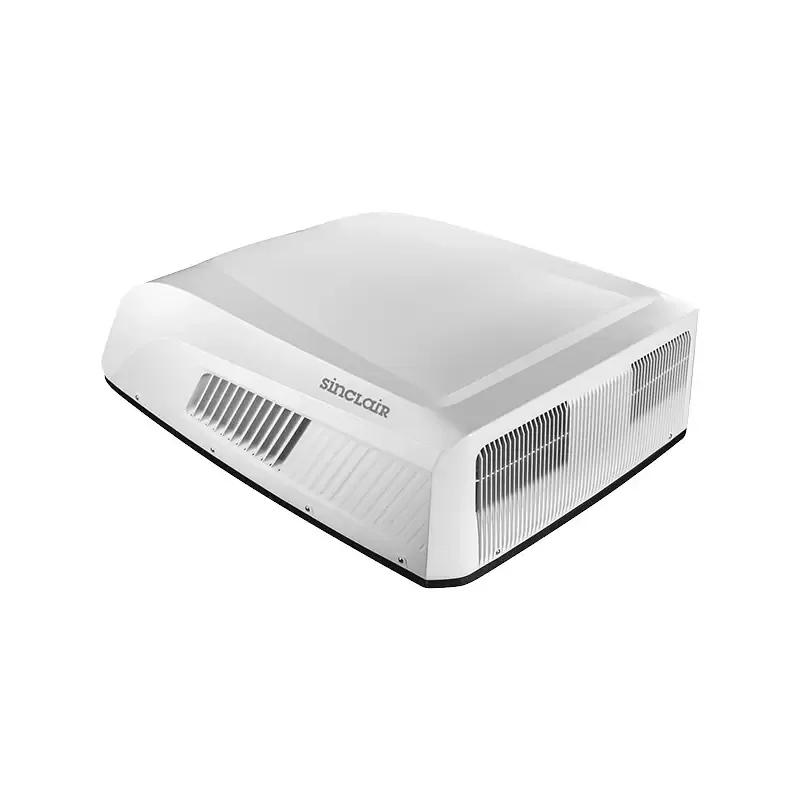
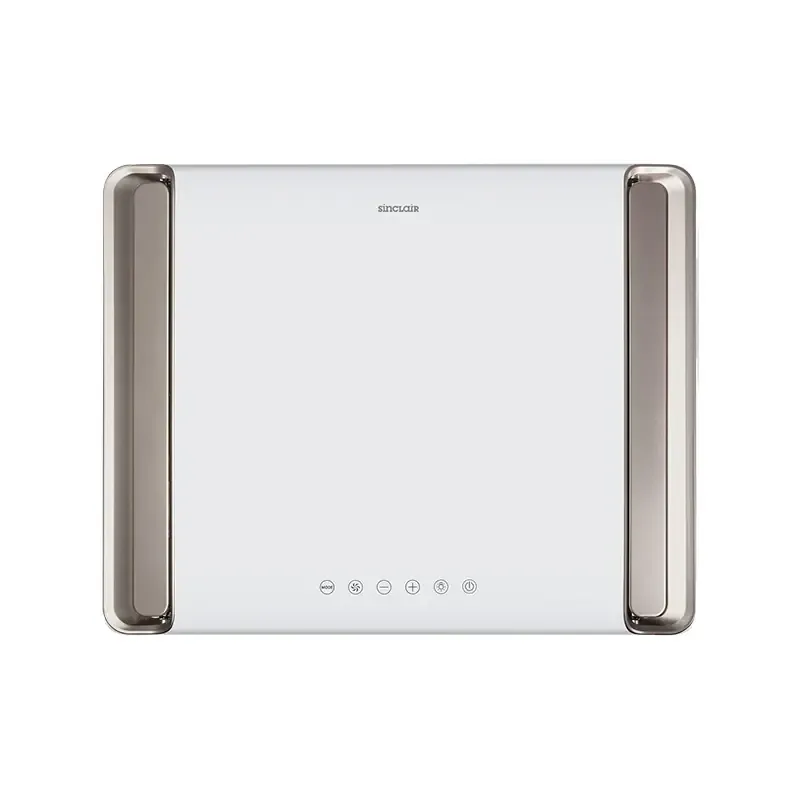
Okénko jsem nahradil střešní jednotkou, takže druhá klimatizace nezabrala žádné nové místo v interiéru — jen převzala pozici, kterou už okénko zastávalo.
Proč invertor a proč SINCLAIR ASV-35BIS
Záměrně jsem nešel po stejném typu jednotky, jako je zadní Dometic. Klasické ON/OFF klimatizace jedou buď na plný výkon, nebo vůbec — v malém prostoru kabiny to znamená cykly chladno/teplo a hlučný start kompresoru pořád znovu. Invertorová jednotka SINCLAIR ASV-35BIS naopak plynule reguluje výkon podle aktuální potřeby, takže v noci běží na nízké otáčky a citelně tišeji, místo aby pořád nabíhala a vypínala.
Pro přední část vozu, kde se spí, je to přesně ten rozdíl, na kterém záleží — tichý, vyrovnaný chod v noci je důležitější než maximální chladicí výkon.
Jak spolu obě klimatizace fungují
Zadní Dometic FreshWell a přední SINCLAIR ASV-35BIS teď fungují jako dvě nezávislé zóny — každá chladí jen tu část vozu, kde skutečně je. Místo jedné jednotky, která se snaží přefouknout celý interiér, mám dvě menší, které pokrývají přesně svůj prostor a nemusí na to vynakládat tolik energie.
Energeticky to zvládá i provoz mimo klasickou přípojku k síti. Díky LiFePO₄ bance a Victron MultiPlus-II je možné spustit obě klimatizace zároveň i další spotřebiče bez obav, že vypadne pojistka nebo dojde proud — systém to ustojí v běžném provozu bez problémů.
Použité komponenty
- SINCLAIR ASV-35BIS (střešní invertorová klimatizace, přední část vozu) — specifikace
- Dometic FreshWell 3000 (podlahová klimatizace, zadní část vozu — 2,7 kW / 9 200 BTU, příkon ~620 W)
- Klimatizace Sinclair pro karavany (krátké video o stejné generaci vnitřní jednotky) — video na YouTube
Časté dotazy
Stačí jedna střešní klimatizace pro 8metrový obytný vůz?
U vozu přes 7 metrů délky jedna jednotka vzadu zpravidla nestačí na přední spánkovou část — studený vzduch neurazí tu vzdálenost v dostatečném množství. Phoenix má přes 8 metrů a jednou Dometic FreshWell vzadu bylo v přední posteli nezřetelné chlazení. Druhá jednotka problém vyřešila.
Proč zvolit invertorovou klimatizaci místo on/off jednotky?
Invertorová klimatizace moduluje výkon podle aktuální potřeby — nestartuje na plný výkon, ale drží teplotu plynule. To znamená nižší spotřebu proudu, tišší provoz a méně výkyvů teploty. Pro napájení ze 12V systému s baterií a solárními panely je invertor klíčový.
Kde umístit druhou klimatizaci, když interiér je hotový?
Ideální je nahradit nevyužívané střešní okénko nad spánkovou částí. Phoenix měl vpředu malé okénko bez zásadního přínosu — přesně tam nyní sedí SINCLAIR ASV-35BIS. Nebylo potřeba zasahovat do hotového interiéru ani elektroinstalace.
Kolik kWh spotřebují dvě klimatizace za noc v ostrovním režimu?
Při teplotě kolem 35 °C venku a nastaveném chlazení na 22 °C spotřebovaly obě klimatizace v Phoenixu za noc přibližně 4–5 kWh. Při 400 Ah LiFePO₄ a 780 Wp solárů to systém zvládá bez připojení na síť.