
Po deseti letech provozu byl originální klakson v Phoenixu slabý a zněl spíš jako skútr než jako šestitunový obytný vůz. Nešlo přitom o estetiku ani o to, abych si „udělal hlasitější autíčko" — šlo o bezpečnost. Klakson je jediný způsob, jak na sebe v dopravě upozornit zvukem, a u vozidla této hmotnosti by měl být slyšet i přes hluk dálnice, otevřená okna sousedního auta nebo hudbu v kabině řidiče, kterého chcete varovat.
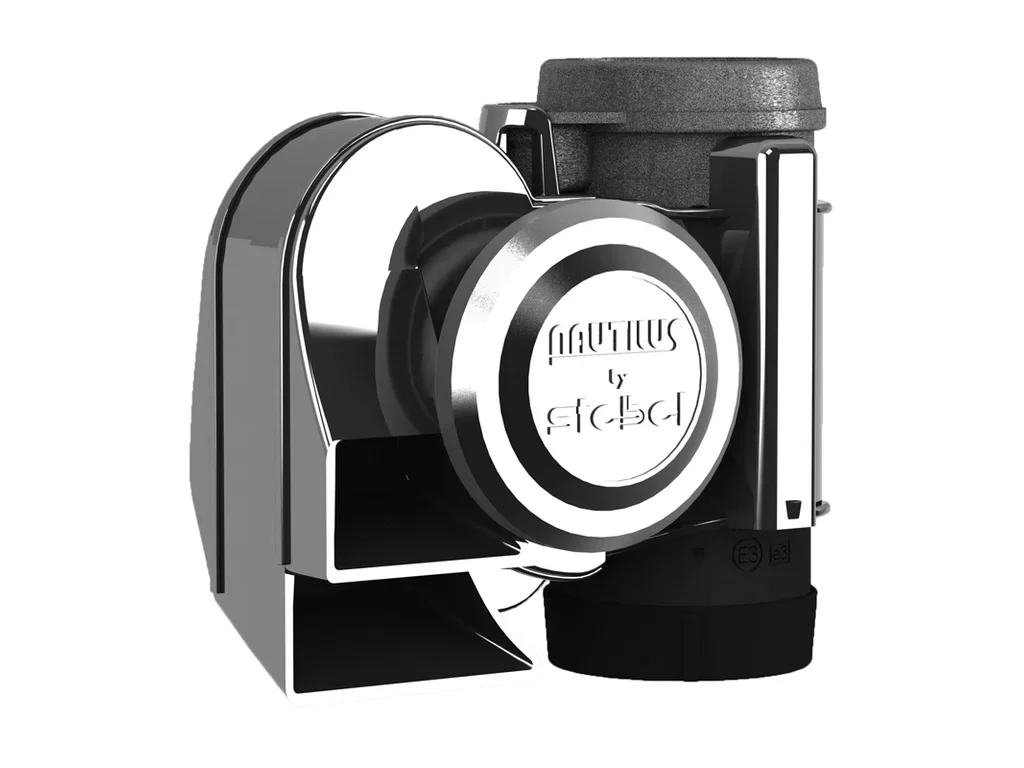
Rozhodl jsem se ho vyměnit za elektropneumatickou fanfáru Stebel Nautilus Compact 12V Chrome.
Proč zrovna Stebel Nautilus Compact
Stebel Nautilus Compact je elektropneumatická fanfára s vlastním kompresorem — na rozdíl od běžných elektromagnetických klaksonů si vzduch na zvukový tón vyrábí sama, což je důvod, proč zní tak výrazně silněji a plněji. Parametry, které mě přesvědčily:
- Napájení 12 V, proudový odběr přibližně 18 A
- Harmonizovaný dvojtón 530 + 680 Hz
- Hladina akustického tlaku přibližně 115 dB ve 2 metrech
- Homologace ECE pro použití v silničním provozu
Montáž — proč si to žádá relé a tlustší kabel
Odběr kolem 18 A je výrazně víc, než co snese originální spínač a tenký kabel vedený od volantu. Proto se Stebel — stejně jako většina výkonných elektropneumatických klaksonů — nezapojuje napřímo, ale přes relé: originální spínač v autě jen spíná malý proud do cívky relé, a relé samo pak spíná silový okruh vedený tlustším kabelem přímo z baterie, jištěný samostatnou pojistkou. Tohle zapojení je nutné nejen pro funkčnost, ale i pro bezpečnost — bez něj hrozí přetížení originální kabeláže a spínače.
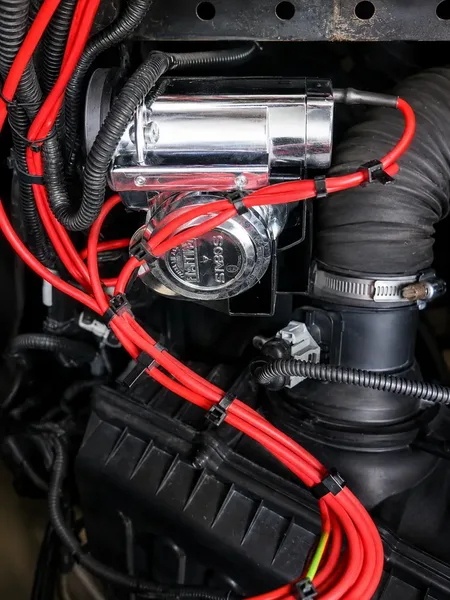
Fyzická montáž samotného tělesa klaksonu byla naopak nekomplikovaná — najít vhodné místo v motorovém prostoru, upevnit, svést kabeláž k relé a pojistkové skříňce a zapojit.
Jak to zní v praxi
Rozdíl proti originálnímu klaksonu je markantní. Dvojtón 530+680 Hz je slyšet i v situacích, kde by byl originální klakson zcela přehlušen — na dálnici, v hustém provozu, přes otevřené okno se zapnutou hudbou. Přesně to bylo cílem té úpravy.
Hodnocení
★★★★★☆ (5/6)
Z hlediska poměru cena/přínos pro bezpečnost je tohle jedna z nejlepších úprav, které jsem na Phoenixu udělal — řadí se mezi věci, jako jsou tlumiče Marquart, výměna oleje v převodovce a v diferenciálu, které jsem dělal ve stejný den. Žádná z nich nejde vidět na první pohled, ale všechny mají reálný dopad na to, jak bezpečně a spolehlivě se s vozem dá jezdit.
Použité komponenty
- Stebel Nautilus Compact 12V Chrome (elektropneumatická fanfára, 530+680 Hz, ~115 dB/2 m, ECE homologace)
- Automobilové relé + samostatná pojistka pro silový okruh
Zdroj produktové fotografie: Auto-Majáky.cz
Časté dotazy
Jak hlasitý je klakson Stebel Nautilus Compact a proč je jiný než běžný klakson?
Stebel Nautilus Compact je elektropneumatická fanfára s hladinou akustického tlaku přibližně 115 dB ve vzdálenosti 2 metrů. Běžný elektromagnetický klakson dosahuje 100–107 dB. Rozdíl 8–15 dB je v praxi výrazný — fanfára je slyšet přes zavřená okna sousedního auta a hluk dálnice.
Proč potřebuje elektropneumatický klakson relé a silnější kabel?
Stebel Nautilus odebírá při spuštění přibližně 18 A. Originální spínač klaksonu ve volantu a tenký kabel jsou dimenzované na 5–8 A. Bez relé by se kabel přehřál, spínač poškodil nebo pojistka vypadla. Relé přebírá silový obvod, zatímco originální spínač pouze řídí cívku relé.
Je Stebel Nautilus Compact homologovaný pro použití na veřejných komunikacích?
Ano — Stebel Nautilus Compact má homologaci ECE, která povoluje jeho použití v silničním provozu v zemích EU. Dvojitý tón 530+680 Hz je v souladu s požadavky na zvukové výstražné zařízení pro vozidla kategorie N (nákladní vozy a obytné vozy).
Kolik ampér odebírá Stebel Nautilus a jaké relé použít?
Stebel Nautilus Compact odebírá přibližně 18 A při 12V. Doporučuji relé s kapacitou alespoň 30 A a kabel průřezu minimálně 2,5 mm². Relé umístěte co nejblíže k baterii — kratší silový kabel snižuje úbytek napětí a riziko přehřátí.